 By
By 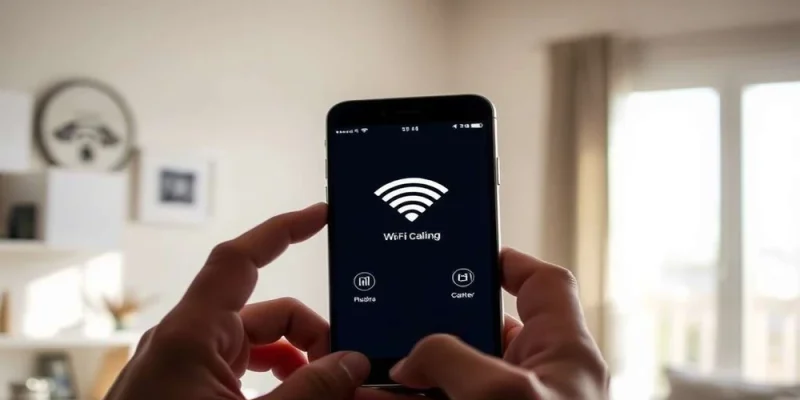
Good mobile connectivity is important for homes, offices, shops, and other indoor spaces. However, thick walls, metal structures, building materials, distance from cell towers, and other obstacles can weaken mobile signals. Weak signals may result in dropped calls, unclear audio, slow messaging, or difficulty connecting. Mobile signal boosters can help improve indoor coverage by receiving available signals from outside and distributing a stronger signal inside the building.
To address this issue, installing a reliable Mobile Signal Booster can effectively eliminate dead zones by bridging the gap between weak external cellular coverage and your indoor environment. These devices seamlessly capture existing cellular signals from outdoors, amplify their strength, and redistribute them throughout spaces hindered by heavy building materials. Consequently, property owners can ensure steady connectivity for daily calls and digital communication without relying on proximity to windows or open areas.
Understanding Indoor Signal Problems
Mobile signals can become weaker when they pass through concrete walls, glass, metal, insulation, and other building materials. Large buildings can also have areas where the outdoor signal does not reach effectively. Lower floors, basements, and rooms surrounded by thick walls may experience particularly poor reception. Understanding these problems helps determine where improved coverage may be needed.
How Signal Boosters Work
A mobile signal booster generally uses an outdoor antenna, an amplifier, and one or more indoor antennas. The outdoor antenna captures an available mobile signal from a nearby cell tower. The amplifier strengthens the received signal, while the indoor antenna distributes the improved signal within the building. This process can help mobile devices maintain a more stable connection in areas where reception is normally weak.
Improving Call Quality
One of the main benefits of stronger indoor coverage is improved call quality. Weak signals can cause interruptions, dropped calls, delays, or unclear audio. By improving signal strength in suitable areas, a booster can help phones maintain a more reliable connection. This can be especially useful in buildings where users regularly experience poor reception.
Supporting Better Indoor Coverage
Signal boosters can help extend mobile coverage into areas that previously had weak reception. This may include rooms located far from windows, lower floors, work areas, or sections of larger buildings. Better coverage allows users to make and receive calls without constantly moving to areas with stronger signals.
Choosing the Right Setup
The effectiveness of a mobile signal booster depends on several factors. There needs to be an usable outdoor signal for the system to receive and improve. Building size, construction materials, signal strength, antenna placement, and the area requiring coverage can all affect performance. A suitable setup should match the building’s needs rather than relying on a one-size-fits-all approach.
Maintaining Reliable Performance
Proper installation and positioning are important for consistent results. Outdoor and indoor antennas should be placed appropriately, and the equipment should be maintained according to its instructions. Users should also make sure that the system is compatible with the mobile networks and frequencies used in their area.
Conclusion
Mobile signal boosters can improve indoor call quality by capturing an available outdoor mobile signal, strengthening it, and distributing it inside a building. They can help reduce dropped calls, improve reception, and provide more consistent coverage in areas affected by weak signals. When the right equipment is selected and installed properly, a signal booster can make indoor mobile communication more reliable and convenient.




Comments